
The Geographic Advantage
Location is destiny in the palm oil industry. Oil palm trees (Elaeis guineensis) thrive exclusively in tropical zones within 10 degrees of the equator, where consistent temperatures, high humidity, and abundant rainfall create optimal growing conditions. This narrow geographic band encompasses Indonesia, Malaysia, Thailand, and parts of the Philippines and Papua New Guinea—countries that collectively dominate global palm oil production. According to the USDA Oilseeds Reports, Southeast Asia accounts for over 85% of global supply. This geographic advantage makes Thai soap noodle exports highly competitive in global markets.
The implications for soap noodle manufacturing are profound. Proximity to raw material sources eliminates the transportation costs, quality degradation, and supply chain complexity that competitors in other regions face. Thai, Malaysian, and Indonesian soap noodle manufacturers receive fresh palm oil and palm kernel oil from mills located within hours of their facilities, ensuring raw material quality and reducing costs.
"Geography gave Southeast Asia the palm oil advantage. Decades of investment in processing infrastructure turned that advantage into total market dominance."
Palm Oil Production Statistics
The numbers tell a compelling story. Indonesia and Malaysia together account for approximately 85% of global palm oil production, with Thailand contributing an additional 3-4%. This concentration isn't accidental—it reflects decades of agricultural development, government support, and private sector investment in the palm oil value chain.
Key Production Figures:
- Indonesia: ~46 million metric tons annually (55% of global production). Over 16 million hectares of oil palm plantations.
- Malaysia: ~19 million metric tons annually (26% of global production). Highly efficient yields with advanced plantation management.
- Thailand: ~3 million metric tons annually (3-4% of global production). Growing industry with increasing RSPO certification rates.
- Combined ASEAN Output: Over 70 million metric tons of palm oil, supplying global demand for food, personal care, and biofuel industries.
For soap noodle manufacturers operating within these countries, the advantages extend beyond simple proximity. Integrated supply chains—from plantation to mill to refinery to soap noodle factory—enable tight quality control, traceability, and cost efficiencies that regions without palm oil cultivation cannot replicate.
Integrated Supply Chain Advantages
Southeast Asia's dominance in soap noodle production isn't just about growing oil palms. It's about the sophisticated infrastructure that has been built around the palm oil value chain over the past 50 years. This integrated ecosystem creates compounding advantages:
From Plantation to Soap Noodle in 48 Hours
Plantation to Mill (0-24 hours): Fresh fruit bunches are harvested and transported to palm oil mills within 24 hours to prevent free fatty acid (FFA) increase. Modern mills extract crude palm oil (CPO) and palm kernel oil (PKO) simultaneously.
Mill to Refinery (24-48 hours): CPO and PKO are transported to refineries for degumming, bleaching, and deodorizing (RBD process). RBD palm oil meets international quality standards for soap manufacturing.
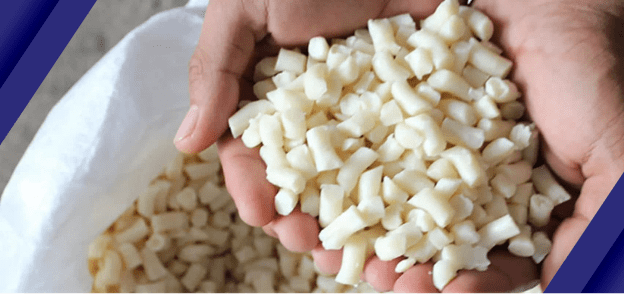
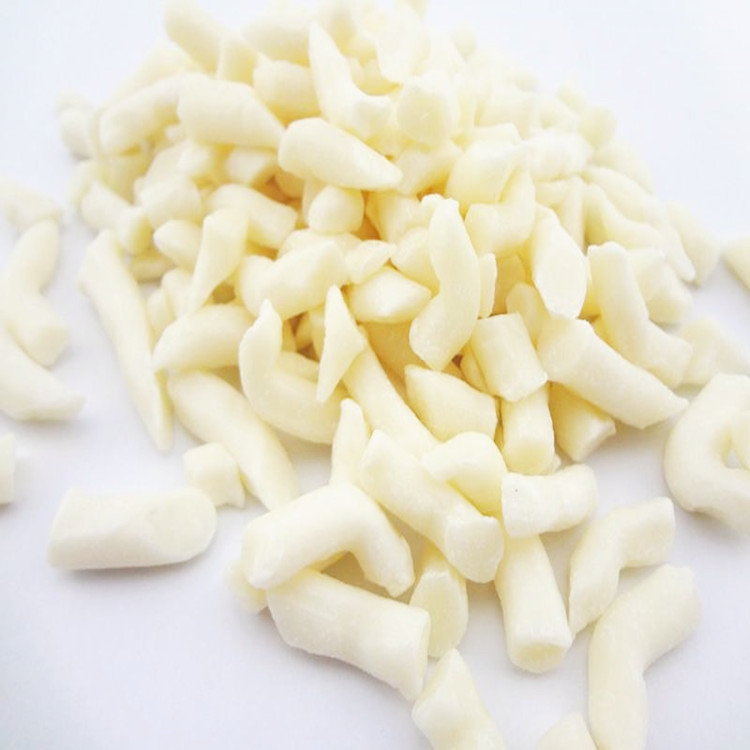
Refinery to Soap Noodle Factory (48+ hours): Refined oils are fed directly into soap noodle production lines for saponification, washing, drying, and extrusion into finished soap noodles.
This vertical integration reduces transportation costs, maintains oil freshness (lower FFA means better quality soap), and enables real-time quality adjustments throughout the process. Competitors sourcing palm oil from Southeast Asia to manufacture soap noodles elsewhere in the world face additional shipping costs, quality risks during transit, and supply chain delays.
Manufacturing Expertise and Technology
Beyond raw material advantages, Southeast Asian soap noodle manufacturers have developed deep technical expertise over decades of operation. Thai manufacturers, in particular, have invested heavily in modern production facilities that combine European engineering with local operational knowledge.
Technical Capabilities:
- Continuous Saponification Systems: Automated processes ensure consistent soap noodle quality, with TFM levels precisely controlled between 72-80%.
- Advanced Quality Control Labs: On-site laboratories test every batch for TFM, moisture, color, free alkali, and chloride content, ensuring compliance with international standards.
- Custom Formulation: Manufacturers can adjust fatty acid profiles (palm oil to palm kernel oil ratios) to produce soap noodles optimized for specific applications—toilet soap, laundry soap, or specialty formulations.
- Scale Efficiency: Large production capacities (50,000-200,000 metric tons annually per facility) enable competitive pricing for bulk orders.
- RSPO Certification: Growing numbers of Thai and Malaysian facilities hold RSPO certification, meeting global demand for sustainable soap ingredients.
"The combination of raw material access, manufacturing expertise, and scale makes Southeast Asia the undisputed center of gravity for global soap noodle supply."
Export Infrastructure and Logistics
Southeast Asia's soap noodle dominance is reinforced by world-class export infrastructure. Major ports in Thailand (Laem Chabang, Bangkok), Malaysia (Port Klang, Penang, Pasir Gudang), and Indonesia (Belawan, Surabaya) handle massive volumes of soap noodle shipments to destinations across Asia, Africa, the Middle East, Europe, and the Americas.
The region's strategic location along major shipping routes reduces transit times to key markets compared to alternative sourcing locations. For buyers in South Asia (India, Pakistan, Bangladesh), the Middle East, and East Asia, Southeast Asian soap noodle suppliers offer the shortest shipping distances and lowest freight costs.
Key Export Markets:
- South Asia: India, Pakistan, Bangladesh, Sri Lanka—massive domestic soap consumption with growing manufacturing sectors.
- Middle East & North Africa: High demand for both toilet and laundry soap noodles in developing economies.
- Sub-Saharan Africa: Rapidly growing market for affordable soap products, sourced from Southeast Asian manufacturers.
- Oceania: Australia and New Zealand import premium soap noodles for domestic soap brands.
- Europe: Demand for RSPO-certified soap noodles for sustainable personal care brands.
Economic and Labor Advantages
Competitive labor costs and favorable business environments in Thailand and Malaysia contribute to the region's soap noodle competitiveness. Skilled workforces, government support for export-oriented industries, and established free trade agreements reduce costs for international buyers.
Thailand's Board of Investment (BOI) offers incentives for manufacturing investments, including tax holidays and import duty exemptions on machinery. These policies attract foreign direct investment and encourage technology transfer, further upgrading the capabilities of the local soap noodle industry.
Quality Standards and Certifications
Leading Southeast Asian soap noodle manufacturers comply with international quality and safety standards, making their products acceptable to global buyers:
- ISO 9001: Quality management systems ensuring consistent product quality.
- ISO 14001: Environmental management systems demonstrating sustainable operations.
- RSPO: Certified sustainable palm oil sourcing for environmentally conscious brands.
- HALAL: Certification for markets requiring compliance with Islamic dietary and product standards.
- GMP: Good Manufacturing Practices for personal care ingredient production.
These certifications, combined with competitive pricing and reliable supply, make Southeast Asian soap noodle manufacturers preferred partners for global soap brands.
"When buyers worldwide evaluate soap noodle suppliers, Southeast Asia wins on every metric: quality, price, sustainability, reliability, and logistics."
Future Outlook: Maintaining the Lead
Southeast Asia's dominance in soap noodle production is not static. The region continues to invest in capacity expansion, sustainability initiatives, and product innovation. Thailand's soap noodle manufacturers are particularly well-positioned to capture growing global demand for premium, sustainably produced soap ingredients.
Key trends shaping the future include increasing RSPO certification rates, development of specialty soap noodles (antibacterial, moisturizing, natural), and growing direct trade relationships between Southeast Asian manufacturers and global consumer goods companies. As demand for bar soap and natural personal care products grows in emerging markets, Southeast Asia's soap noodle industry will continue to scale and innovate.
Conclusion
Southeast Asia's dominance in the soap noodle market is the product of geographic fortune, decades of infrastructure investment, manufacturing expertise, and relentless focus on quality and efficiency. From plantation to port, the region's integrated palm oil supply chain creates advantages that competitors outside the region simply cannot match.
For brands sourcing soap noodles, partnering with Thai or Southeast Asian manufacturers provides access to the world's most efficient, highest-quality, and most sustainably certified soap noodle production ecosystem. In the global soap industry, Southeast Asia isn't just a supplier—it's the source.
.webp)