
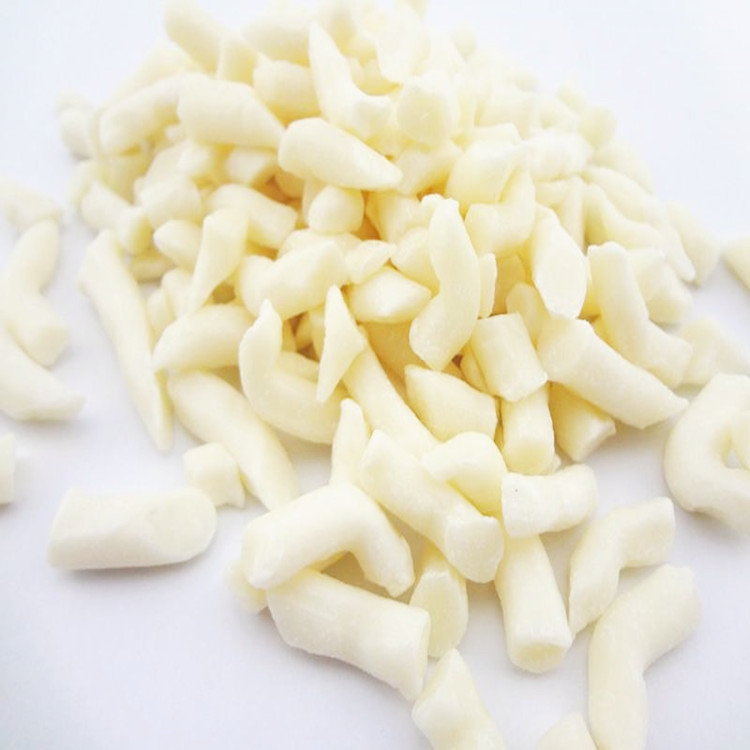
The Green Revolution in Personal Care
The global personal care industry is experiencing a fundamental transformation. Consumers are no longer satisfied with products that simply clean and smell pleasant. Today's buyers demand transparency, sustainability, and environmental responsibility from the brands they support. This shift has catalyzed a revolution in how soap is produced, with renewable palm kernel oil emerging as a key ingredient in the green personal care movement.
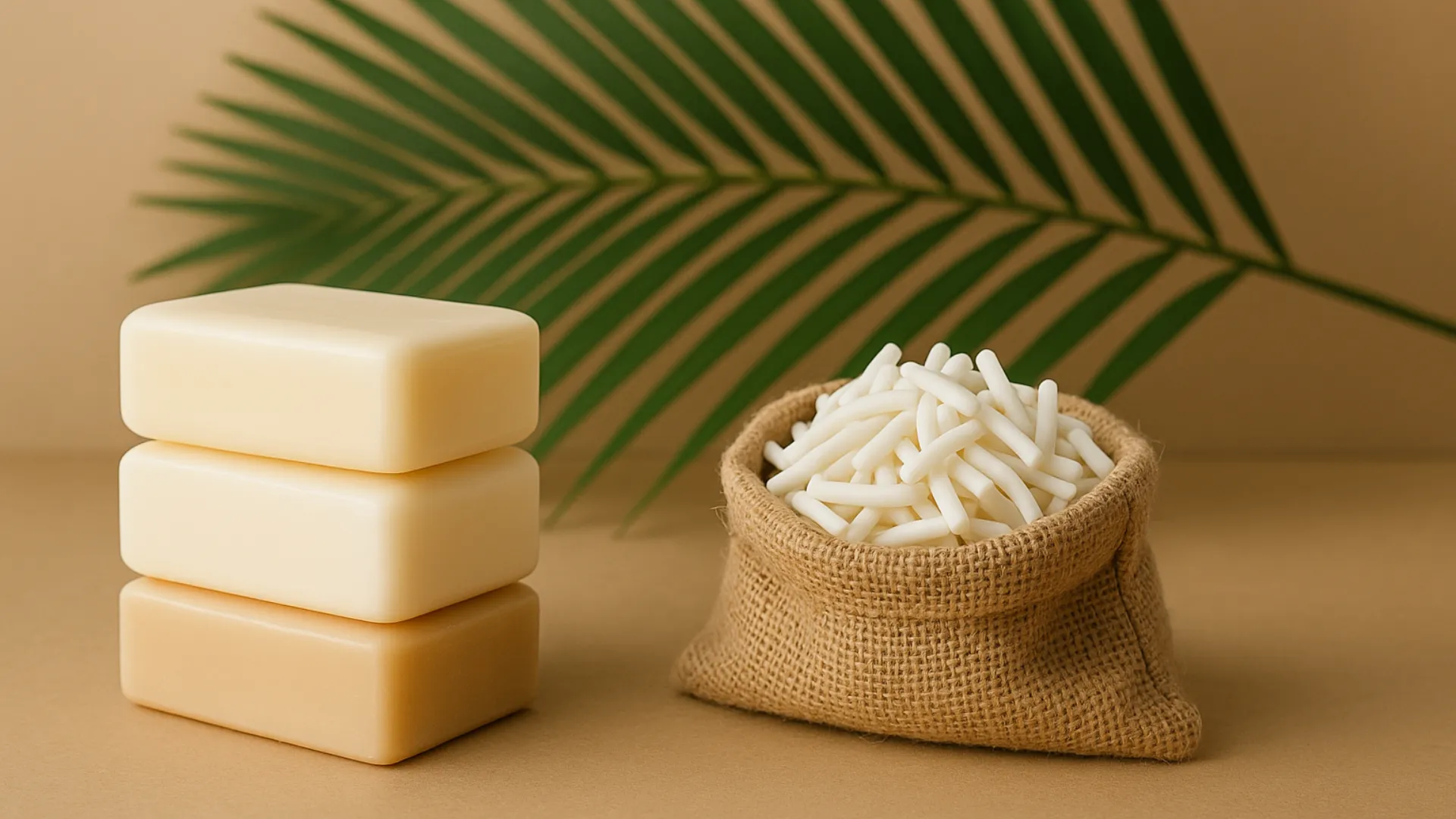
Palm kernel oil, derived from the seeds of oil palm fruits, has become the backbone of sustainable soap noodle production. Its unique fatty acid composition—rich in lauric acid and myristic acid—makes it ideal for producing soap noodles that deliver exceptional cleansing power, abundant lather, and gentle skin compatibility. According to the International Palm Oil Research, palm kernel oil is one of the most efficient vegetable oils for soap manufacturing.
"Green personal care isn't a trend—it's the future of the entire soap and cosmetics industry. Renewable palm kernel oil is at the heart of this transformation."
Why Palm Kernel Oil Is the Sustainable Choice
Among vegetable oils used in soap production, palm kernel oil stands out for its efficiency and renewability. Oil palm trees produce fruit year-round, with peak yields lasting 25-30 years. This perennial production model provides a stable, renewable supply chain that annual crops like coconut or olive cannot match.
Sustainability Advantages:
- High Yield Efficiency: Oil palms produce 4-10 times more oil per hectare than soybean, rapeseed, or sunflower crops, minimizing land use requirements.
- Year-Round Harvesting: Unlike seasonal crops, oil palm fruits can be harvested continuously, ensuring stable supply chains and consistent pricing.
- Zero Waste Processing: Modern palm oil mills utilize biomass byproducts for energy generation, creating circular production systems.
- Carbon Sequestration: Mature palm plantations absorb significant CO2, contributing to carbon offsetting when managed responsibly.
- Economic Sustainability: Palm oil cultivation supports millions of smallholder farmers across Southeast Asia, providing livelihood stability.
The Science Behind Eco-Friendly Soap Noodles
Understanding why palm kernel oil is essential for green soap production requires examining its chemical composition. The oil's fatty acid profile is uniquely suited for soap manufacturing, delivering properties that synthetic alternatives cannot replicate naturally.
Fatty Acid Profile of Palm Kernel Oil
Lauric Acid (45-52%): Provides exceptional lathering properties and rapid foam generation. Creates hard, long-lasting soap bars with excellent cleansing power.
Myristic Acid (14-19%): Enhances lather stability and contributes to soap hardness. Works synergistically with lauric acid for optimal foaming performance.
Palmitic Acid (7-10%): Adds structural integrity and bar durability. Ensures soap maintains shape during use and storage.
Oleic Acid (14-19%): Provides conditioning properties and mildness. Balances the cleansing action to prevent excessive skin drying.
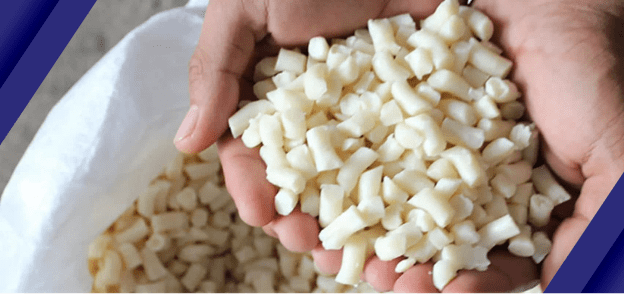
When these natural fatty acids are saponified through the soap-making process, they produce soap noodles with characteristics that synthetic surfactants struggle to match. The resulting soap bars are biodegradable, free from petroleum-derived chemicals, and gentle on skin—hallmarks of truly eco-friendly personal care products.
Manufacturing Innovations Driving Sustainability
The soap noodle manufacturing process itself has evolved significantly to reduce environmental impact. Modern facilities in Thailand and across Southeast Asia have integrated sustainable practices throughout their operations, from raw material sourcing to energy consumption and waste management.
Key Manufacturing Innovations:
- Energy Recovery Systems: Heat exchangers capture and reuse thermal energy from the refining and saponification processes, reducing overall energy consumption by up to 30%.
- Water Recycling: Closed-loop water systems minimize wastewater discharge and conserve freshwater resources.
- Biomass Energy: Palm kernel shells and empty fruit bunches are burned in controlled systems to generate renewable energy for mill operations.
- Continuous Processing: Modern continuous saponification systems are more efficient than batch processing, reducing energy use and improving product consistency.
- Green Chemistry: Enzyme-assisted refining and processing reduces chemical usage and improves environmental profiles.
"The most sustainable soap is one made with renewable ingredients, produced in facilities that minimize waste and energy consumption at every stage."
Biodegradability and Environmental Impact
One of the most significant environmental advantages of palm kernel oil-based soap noodles is their complete biodegradability. Unlike synthetic surfactants derived from petroleum, natural soap molecules break down rapidly in aquatic environments, preventing water pollution and protecting aquatic ecosystems.
Studies have shown that soap produced from natural vegetable oils biodegrades within 24-48 hours in wastewater treatment systems. This rapid breakdown prevents the accumulation of harmful chemicals in waterways and reduces the environmental footprint of personal care products throughout their lifecycle.
Consumer Demand for Green Personal Care
Market research consistently demonstrates growing consumer preference for eco-friendly personal care products. A 2025 global survey revealed that 68% of consumers actively seek out products with environmental certifications, and 54% are willing to pay premium prices for sustainable soap and skincare items.
This demand is particularly strong among younger demographics. Millennials and Gen Z consumers prioritize brands that demonstrate environmental responsibility, ethical sourcing, and transparent supply chains. For soap manufacturers and brands, incorporating renewable palm kernel oil into their formulations is not just an environmental decision—it's a strategic business imperative.
Market Trends Driving Adoption:
- Clean Beauty Movement: Consumers demand products free from synthetic chemicals, parabens, and petroleum-derived ingredients.
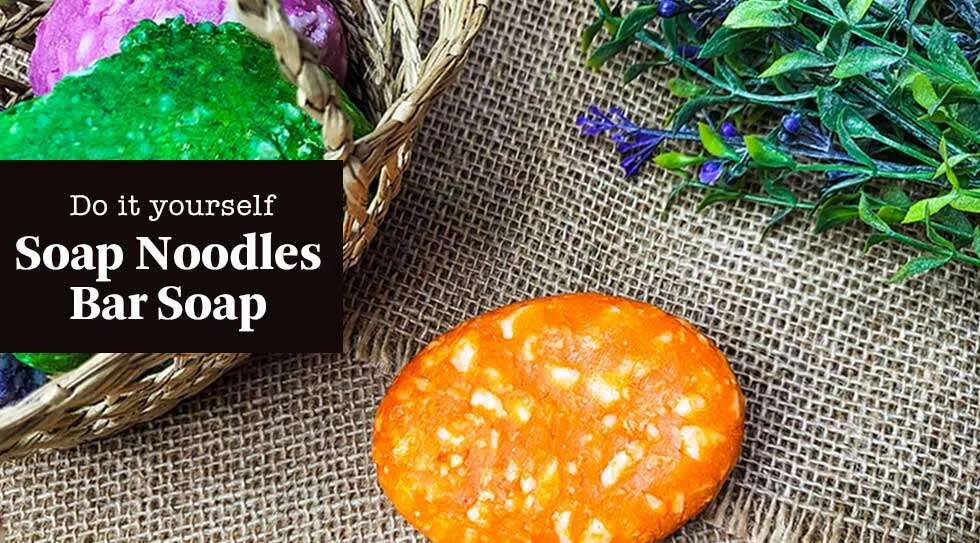
- Plastic-Free Packaging: Bar soap produced from sustainable noodles eliminates the need for plastic bottles associated with liquid cleansers.
- Carbon Neutral Claims: Brands using renewable ingredients can pursue carbon neutrality certifications, appealing to environmentally conscious buyers.
- Regulatory Pressure: Governments worldwide are implementing stricter regulations on cosmetic ingredients, favoring natural and biodegradable options.
Thailand's Role in Green Soap Production
Thailand has emerged as a leading hub for eco-friendly soap noodle production, leveraging its strategic location, advanced manufacturing infrastructure, and commitment to sustainable agriculture. Thai manufacturers have invested heavily in modern processing facilities that combine traditional expertise with cutting-edge green technology.
The country's soap noodle exporters are increasingly obtaining international sustainability certifications, including RSPO (Roundtable on Sustainable Palm Oil), ISO 14001 (Environmental Management), and COSMOS standards for natural and organic cosmetics. These certifications validate the environmental credentials of Thai soap noodles and open doors to premium markets in Europe, North America, and Australia.
"Thailand's commitment to sustainable manufacturing practices positions it as the preferred source for eco-conscious brands seeking high-quality soap noodles."
Conclusion: The Path Forward
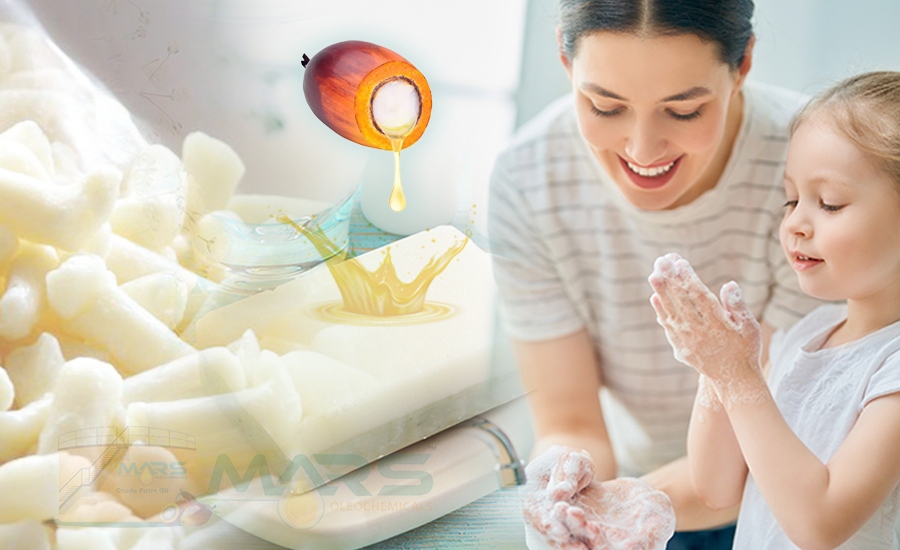
The future of eco-friendly soap production is inextricably linked to renewable palm kernel oil. As consumer demand for green personal care products intensifies, manufacturers who embrace sustainable sourcing, innovative production methods, and transparent supply chains will lead the industry.
For brands looking to position themselves in the growing eco-friendly personal care market, partnering with Thai soap noodle manufacturers who prioritize sustainability provides a competitive advantage. The combination of high-quality renewable ingredients, advanced manufacturing practices, and environmental certifications creates a compelling value proposition for conscious consumers worldwide.
The green revolution in soap production isn't coming—it's already here. The question is whether your brand is ready to embrace it.
.webp)