.webp)
The Fundamental Distinction
At first glance, toilet soap noodles and laundry soap noodles may appear similar—both are semi-solid extruded bases made from saponified vegetable oils, both contain fatty acids, and both are used to produce finished soap bars. However, the similarities end there. These two categories of soap noodles are engineered for fundamentally different purposes, and understanding their distinctions is critical for soap manufacturers, formulators, and brands. The American Cleaning Institute provides detailed guidelines on soap classification and standards.
Toilet soap noodles are designed for personal hygiene—cleansing skin, hair, and body with gentleness, pleasant fragrance, and aesthetic appeal. Laundry soap noodles are engineered for cleaning fabrics, removing stains, and eliminating dirt and odors from textiles. These divergent use cases drive entirely different formulation philosophies, quality parameters, and regulatory requirements.
"Using laundry soap noodles for personal care soap isn't just suboptimal—it can cause skin irritation, excessive dryness, and consumer complaints. The formulation differences exist for good reason."
TFM Levels: The Primary Differentiator
Total Fatty Matter (TFM) is the single most significant metric distinguishing toilet and laundry soap noodles. TFM represents the percentage of actual fatty acids in the soap—the active cleansing and conditioning components—and directly correlates with soap quality, gentleness, and performance.
TFM Comparison:
- Toilet Soap Noodles: TFM 72-80%. Higher fatty acid content provides gentler cleansing, better lather, and superior skin compatibility. Grade I toilet soap typically exceeds 76% TFM.
- Laundry Soap Noodles: TFM 55-65%. Lower fatty acid content with higher filler levels. Designed for aggressive cleaning power rather than skin gentleness.
The TFM gap between these two categories reflects their intended applications. Toilet soap must be gentle enough for daily skin contact, while laundry soap prioritizes stain removal and cost-effectiveness over skin feel.
Fatty Acid Composition Differences
Beyond TFM levels, the specific fatty acid profiles of toilet and laundry soap noodles differ significantly. These differences are achieved by varying the ratios of palm oil to palm kernel oil (or coconut oil) in the formulation.
Toilet Soap Noodle Fatty Acid Profile
Palm Oil (60-80%): Provides palmitic and stearic acids for bar hardness, durability, and creamy lather.
Palm Kernel Oil (20-40%): Contributes lauric and myristic acids for abundant, stable foam and effective cleansing.
Specialty Oils (optional): Olive oil, shea butter, or cocoa butter may be added for premium moisturizing properties.
Result: Balanced cleansing with gentle skin feel, rich lather, and pleasant after-use sensation.
Laundry Soap Noodle Fatty Acid Profile
Tallow or Palm Oil (70-90%): Maximizes palmitic acid for hard bars with strong grease-cutting power.
Palm Kernel Oil (10-30%): Provides some lathering capability but less than toilet soap formulations.
Fillers and Builders: Sodium silicate, calcium carbonate, and talc are added to reduce costs and enhance cleaning abrasiveness.
Result: Aggressive cleaning action, high alkalinity, strong stain removal—but harsh on skin.
pH and Alkalinity Differences
The pH levels of toilet and laundry soap noodles reflect their different applications. Human skin has a natural pH of approximately 5.5 (slightly acidic), and toilet soaps are formulated to be as close to this range as possible while still providing effective cleansing.
- Toilet Soap pH: 9-10.5 (mildly alkaline). Formulated to minimize skin irritation and maintain skin barrier function. Free alkali content is tightly controlled (< 0.1%).
- Laundry Soap pH: 10-11.5 (more alkaline). Higher alkalinity enhances stain removal and grease dissolution but can cause skin irritation with prolonged contact.
The free alkali content—the residual sodium hydroxide remaining after saponification—is strictly limited in toilet soap noodles to prevent skin burns and irritation. Laundry soap noodles tolerate higher free alkali levels because they are not intended for direct skin application.
Additives and Functional Ingredients
The additives incorporated into toilet and laundry soap noodles further illustrate their divergent purposes:
Toilet Soap Additives:
- Fragrances and Essential Oils: Provide pleasant scents that linger on skin. Premium soaps use natural essential oils.
- Moisturizers: Glycerin, shea butter, aloe vera, and vitamin E prevent skin dryness and improve post-wash feel.
- Colorants: Cosmetic-grade dyes and pigments create visually appealing bars.
- Antibacterial Agents: Triclosan alternatives (e.g., zinc pyrithione, natural tea tree oil) for antibacterial variants.
- Exfoliants: Oatmeal, poppy seeds, or apricot kernels in specialty scrub soaps.
- Chelating Agents: EDTA or natural alternatives prevent soap scum in hard water.
Laundry Soap Additives:
- Optical Brighteners: Fluorescent compounds make fabrics appear whiter and brighter.
- Enzymes: Proteases, lipases, and amylases break down protein, fat, and starch-based stains.
- Bleaching Agents: Sodium percarbonate or TAED for stain removal and whitening.
- Water Softeners: Sodium carbonate (washing soda) or zeolites counteract hard water minerals.
- Fragrances: Strong, long-lasting scents designed to transfer to fabrics (not skin).
- Fillers: Talc, calcium carbonate, and sodium sulfate reduce costs and add bulk.
"The additive profiles tell the story: toilet soap is about skin care and sensory experience, while laundry soap is about cleaning power and fabric care."
Physical Characteristics and Processing
The physical properties of toilet and laundry soap noodles also differ, reflecting their distinct processing requirements and end-use expectations:
Toilet Soap Noodles:
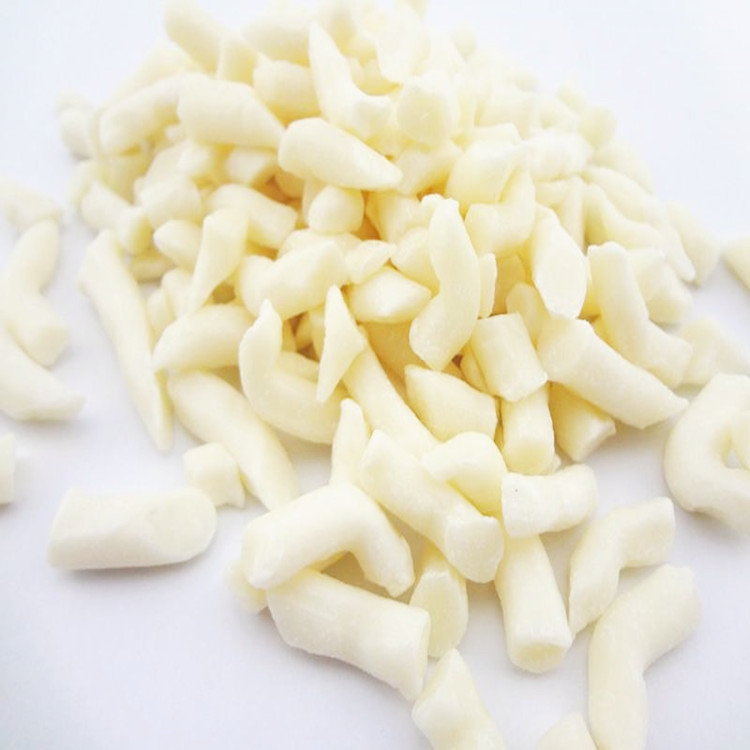
- Color: White to off-white, allowing for vibrant coloration in finished products.
- Texture: Smooth, uniform extrusion suitable for milling and plodding into refined bars.
- Odor: Neutral or mild natural oil scent, providing a clean base for fragrance addition.
- Processing: Typically triple-milled for premium soaps, creating dense, smooth bars with extended longevity.
Laundry Soap Noodles:
- Color: Yellow to brown (darker shades acceptable since aesthetics are less critical).
- Texture: Coarser extrusion, often used directly without milling.
- Odor: Stronger natural oil or tallow scent, masked by added laundry fragrances.
- Processing: Usually pressed into bars directly or sold as flakes/powders.
Regulatory and Safety Standards
Toilet soap noodles are subject to stringent regulatory requirements as personal care products. In most countries, they must comply with cosmetic or drug regulations that govern ingredient safety, microbial limits, heavy metal content, and labeling requirements.
Laundry soap noodles, classified as household cleaning products, face less stringent personal safety regulations but must still meet environmental discharge standards and labeling requirements for hazardous ingredients. The regulatory gap reflects the different exposure risks: direct skin contact versus fabric contact.
Key Regulatory Frameworks:
- FDA (USA): Regulates toilet soap as a cosmetic (or OTC drug if antibacterial claims are made).
- EU Cosmetics Regulation (EC) No 1223/2009: Comprehensive safety assessment and notification requirements for toilet soap sold in the EU.
- ASEAN Cosmetic Directive: Harmonized standards for personal care products across Southeast Asian markets.
- ISO Standards: ISO 12823 for soap testing methods, applicable to both categories.
Choosing the Right Soap Noodle for Your Application
For soap manufacturers, selecting between toilet and laundry soap noodles is the first critical decision in product development. The choice depends on:
- Target Market: Personal care consumers demand toilet soap noodles; institutional or household cleaning buyers need laundry soap.
- Price Positioning: Premium brands use high TFM (76-80%) toilet soap noodles; economy brands may blend with lower TFM grades.
- Regulatory Compliance: Products making skin care or cosmetic claims must use toilet-grade noodles meeting personal care standards.
- Processing Capability: Triple-milling requires high-quality toilet soap noodles; simple pressing can use either category.
- Geographic Market: Developing markets may prioritize affordable laundry soap; developed markets favor premium toilet soap.
"The right soap noodle choice isn't just about cost—it's about matching the product's performance to consumer expectations and regulatory requirements."
Conclusion
Toilet and laundry soap noodles may share common origins in saponified vegetable oils, but their formulations, quality standards, and applications diverge sharply. Toilet soap noodles prioritize skin gentleness, lather quality, and aesthetic appeal with high TFM levels and controlled alkalinity. Laundry soap noodles emphasize cleaning power, cost-effectiveness, and stain removal with lower TFM and higher filler content.
For soap manufacturers and brands, understanding these differences is essential for product development, regulatory compliance, and consumer satisfaction. Partnering with experienced soap noodle suppliers who can provide both categories—along with technical guidance—ensures that your finished products meet the exact requirements of their intended applications.
Whether you're formulating a luxury moisturizing bar or an economical laundry detergent, starting with the right soap noodle base is the foundation of product success.