Understanding RSPO Certification
The Roundtable on Sustainable Palm Oil (RSPO) was established in 2004 to develop and implement global standards for sustainable palm oil production. This certification has become increasingly crucial in the soap noodle manufacturing industry, where palm oil and palm kernel oil serve as the primary raw materials for producing high-quality soap noodles. Learn more about RSPO standards at rspo.org.
RSPO certification ensures that palm oil is produced following strict environmental and social criteria, including no deforestation, no development on peatlands, and respect for local communities' rights. For soap manufacturers, this means sourcing from suppliers who demonstrate responsible practices throughout the supply chain.
"RSPO certification is no longer optional for serious soap manufacturers. It's becoming the baseline expectation for brands that want to remain competitive in today's environmentally conscious market."
Why Soap Brands Are Making the Switch
The personal care and soap industry has witnessed a dramatic transformation in consumer preferences over the past decade. Today's consumers are more informed and environmentally conscious than ever before. They expect transparency in sourcing and demand sustainable practices from the brands they support.
Key Drivers of RSPO Adoption:
- Consumer Demand: Studies show that 73% of global consumers would change their consumption habits to reduce environmental impact. Brands using RSPO-certified ingredients can leverage this preference in their marketing.
- Regulatory Compliance: European Union regulations and policies in several Asian countries increasingly mandate sustainable sourcing for palm oil derivatives used in consumer products.
- Supply Chain Transparency: RSPO's certification traceability system provides brands with documented proof of sustainable sourcing, protecting against greenwashing accusations.
- Corporate Sustainability Goals: Major multinational corporations have committed to 100% sustainable palm oil sourcing as part of their ESG (Environmental, Social, and Governance) targets.
- Market Differentiation: RSPO certification allows brands to differentiate themselves in crowded markets, particularly in premium and organic personal care segments.
Environmental Benefits of Sustainable Palm Oil
Palm oil, when produced sustainably, is one of the most efficient vegetable oils in terms of yield per hectare. The environmental argument for RSPO-certified palm oil in soap noodle production is compelling:
The Efficiency Advantage
Oil palm trees produce 4-10 times more oil per hectare than alternative oil crops like soybean, rapeseed, or sunflower. This means less land is required to produce the same amount of oil, reducing overall deforestation pressure when managed responsibly.
RSPO standards prohibit the clearing of primary forests and High Conservation Value (HCV) areas. This protection is critical for biodiversity conservation in Southeast Asia, where palm oil production is concentrated. For soap noodle manufacturers operating in Thailand, Malaysia, and Indonesia, adherence to these standards directly contributes to preserving tropical ecosystems.
Additionally, sustainable palm oil production reduces greenhouse gas emissions by preventing peatland drainage and burning. Peatlands store massive amounts of carbon, and their degradation releases significant CO2 into the atmosphere. RSPO's no-peat policy is a crucial climate mitigation measure.
"Sustainable palm oil isn't just about protecting forests—it's about ensuring the long-term viability of the entire soap manufacturing supply chain."
Impact on Soap Noodle Quality and Formulation
A common misconception is that sustainable palm oil compromises product quality. In reality, RSPO-certified palm oil meets the same rigorous quality standards as conventional palm oil. The chemical composition, fatty acid profile, and performance characteristics remain identical.
For soap noodle production, the key quality parameters—Total Fatty Matter (TFM), moisture content, and color—are unaffected by RSPO certification. What changes is the assurance that the oil was produced responsibly, without environmental degradation or social exploitation.
Quality Parameters Maintained:
- TFM Content: RSPO-certified soap noodles maintain TFM levels of 78% and above, meeting luxury soap standards.
- Lathering Properties: The lauric and myristic acid content from sustainable palm kernel oil provides excellent foaming characteristics.
- Hardness and Durability: Palmitic and stearic acids from sustainable palm oil ensure bar hardness and longevity.
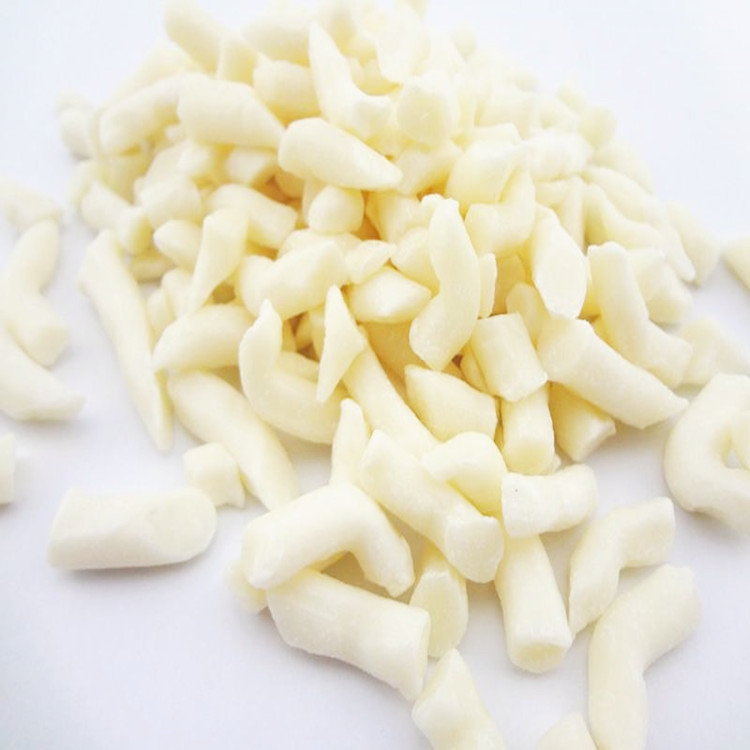
- Color Consistency: Refined RSPO-certified palm oil produces white to off-white soap noodles suitable for all formulations.
The Thai Advantage in Sustainable Soap Noodles
Thailand has positioned itself as a leading supplier of RSPO-certified soap noodles due to several strategic advantages. The country's palm oil industry has made significant investments in sustainable practices, with a growing number of mills and refineries achieving RSPO certification.
Thai soap noodle manufacturers benefit from proximity to palm plantations, modern processing facilities, and strict quality control systems. This integrated approach ensures traceability from plantation to finished product, a key requirement for RSPO supply chain certification models (Identity Preserved, Segregated, and Mass Balance).

Future Outlook: Where Is the Industry Heading?
The trajectory is clear: RSPO certification will transition from a competitive advantage to an industry requirement. Major retailers and e-commerce platforms are beginning to prioritize products made with sustainable ingredients. This trend will only accelerate as regulatory frameworks tighten and consumer awareness deepens.
For soap brands and manufacturers, the message is unambiguous. Partnering with RSPO-certified soap noodle suppliers is no longer optional—it's essential for market access, brand reputation, and long-term business sustainability. Companies that proactively embrace this shift will lead the next generation of personal care products.
"The future of soap manufacturing is sustainable. Brands that recognize this today will define the market tomorrow."
Conclusion
The rise of RSPO-certified palm oil in soap noodle production represents a fundamental shift in how the personal care industry approaches sustainability. From environmental protection to consumer demand, from regulatory compliance to brand differentiation, the drivers are powerful and interconnected.
For brands looking to source soap noodles from Thailand, partnering with RSPO-certified manufacturers ensures access to high-quality, sustainably produced ingredients that meet global standards. The transition to sustainable palm oil isn't just an ethical choice—it's a strategic business decision that positions brands for long-term success in an evolving marketplace.